Supply Chain Management Software & SCM Solutions Built Around Your Business
Running a supply chain using spreadsheets is complicated. This is especially true when coordinating purchases, warehousing, and logistics. Uphead Management Consulting develops supply chain management software that allows you to unify your purchasing, warehousing, and logistics so all participants can work with real-time data.
Uphead Management Consulting speaks directly with manufacturers and retailers about their needs and concerns. In the process, we have come to realize that for companies to meet their goals, it is essential to implement specialized SCM systems, and the choice of software is decisive for future business operations. When your finance director sees real inventory levels instantly, when procurement gets automatic alerts instead of chasing shipments, when the warehouse knows exactly what goes where, that's when operations actually improve.
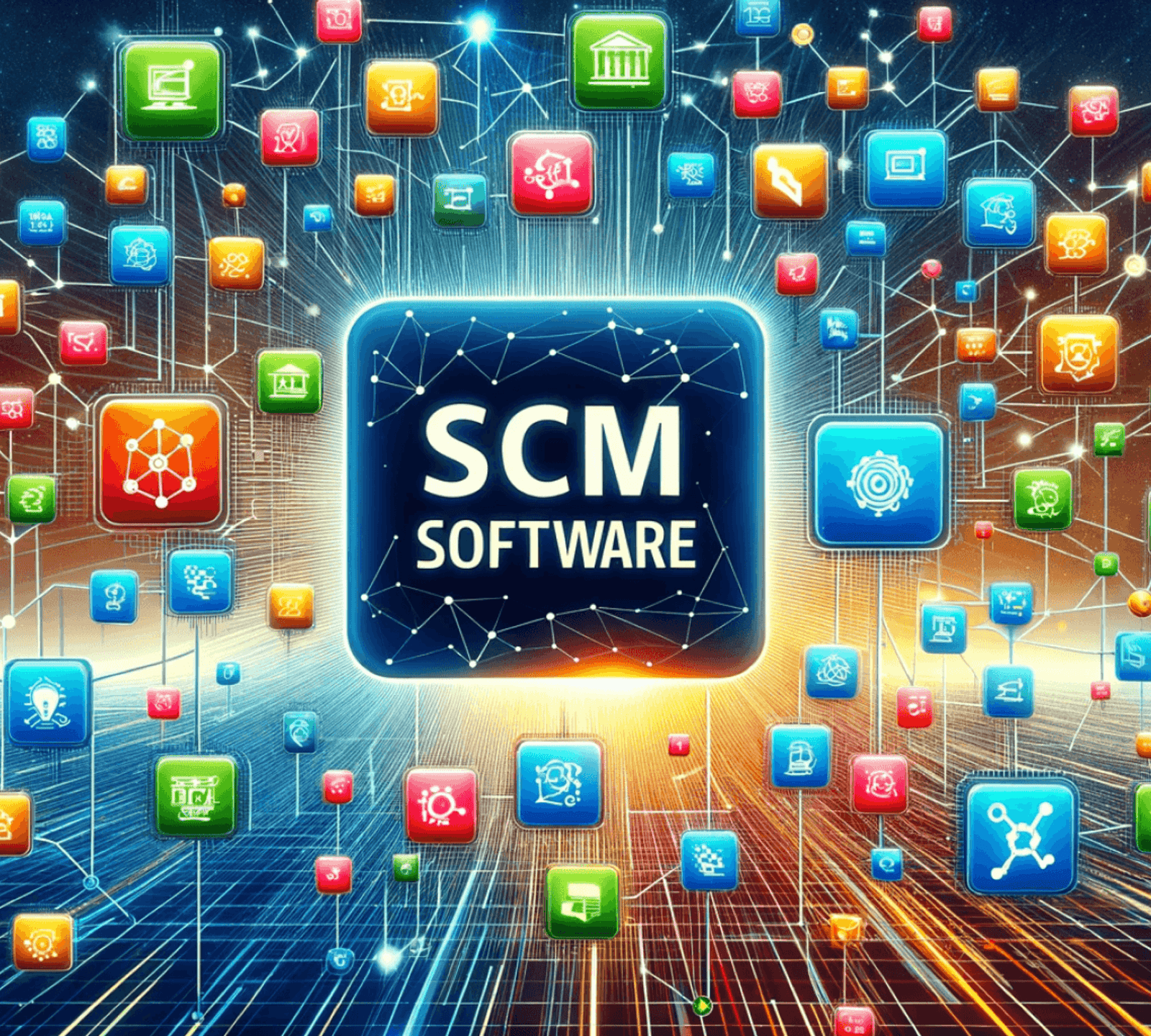
Why Businesses Need the Right Supply Chain Management System
An effective supply chain management system does more than manage the movement of goods. It connects your teams, processes, and data into a single platform, giving everyone real-time visibility and enabling faster, more informed decisions. Three key capabilities define a successful supply chain management system.
Visibility
Real-time visibility allows you to track inventory, orders, shipments, and operational performance across your entire supply chain. With accurate, up-to-date information, your teams can identify issues early, respond faster to disruptions, and make proactive decisions instead of relying on outdated reports.
Integration
Disconnected systems create data silos and unnecessary manual work. By integrating your ERP, CRM, warehouse, and logistics systems, a supply chain management system ensures seamless data flow, eliminates duplicate data entry, and improves collaboration across departments.
Optimization
Automation, intelligent forecasting, and continuous performance monitoring help optimize every stage of the supply chain. By identifying bottlenecks, improving resource utilization, and streamlining repetitive tasks, businesses can increase efficiency, reduce operational costs, and scale with confidence.
Benefits of Supply Chain Management Software
Businesses that move from manual processes to a connected system typically see measurable improvements within the first year. By automating workflows and providing real-time visibility across the supply chain, the software helps reduce inefficiencies, improve coordination, and support faster, data-driven decision-making.
Lower costs and waste
Smarter inventory control and shipment optimization can reduce supply chain operating costs by 15–20% in the first year.
Faster operations
Tasks that once took hours, such as order processing and inventory updates, can be completed in minutes through automation.
Better demand planning
The software analyzes historical trends and demand patterns to help reduce both overstocks and stockouts.
Full visibility
Inventory, shipping, vendor, and order information is available in one centralized platform instead of being scattered across multiple tools.
Faster decisions
Real-time dashboards and live operational data help teams identify issues early and respond before they become costly.
Our Supply Chain Management Solutions
Every supply chain operates differently, which means a one-size-fits-all solution rarely works. Our supply chain management solutions are designed around your unique processes, helping you streamline operations, improve visibility, and scale with confidence.
Custom Supply Chain Management Software
Built from the ground up around workflows unique to your business. As requirements change or you scale, the system adjusts with you instead of holding you back.
ERP Supply Chain Software Solutions
Whether you run SAP, NetSuite, or another platform, we build supply chain software that connects to it cleanly, so accounting, HR, and operational data flow together without manual re-entry.
Reverse Logistics & Returns Management
Returns need a system, too. We build workflows that track what came back, why, its condition, and whether it can be resold automatically, instead of being handled ad hoc.
Supply Chain Planning & Demand Forecasting
Instead of guessing based on last year's numbers, our forecasting tools identify seasonal patterns, promotional spikes, and market shifts, so you order the right quantities at the right time.
Procurement & Supplier Management Systems
Coordinating hundreds of suppliers via email and spreadsheets is a disaster for ordering. Our procurement systems track vendor performance, prices, and terms in one place to improve sourcing decisions.
Inventory & Warehouse Management Integration
We build systems that know exactly where inventory sits, what's moving fast versus slow, and when to reorder, turning your warehouse into a lean, efficient operation instead of your biggest cost center.
Order Management & Fulfillment Systems
From allocation to picking to shipping, order management software coordinates the entire fulfillment process so customers get accurate delivery promises and orders move without manual bottlenecks.
Transportation & Logistics Management
We build systems that consolidate shipments into full loads, select the most economical carriers, and track what's actually moving with businesses typically seeing 5–10% lower transportation costs once real usage patterns become visible.
Core Modules of Our Supply Chain Management System
Our supply chain management system combines all the essential functions needed to manage your supply chain from a single platform. Each module is designed to improve visibility, streamline workflows, and help your teams make faster, data-driven decisions.
Master Planning
Plan production capacity, allocate resources, and schedule operations more efficiently.
Demand Planning
Forecast customer demand using historical data and market trends to maintain optimal inventory levels.
Procurement Management
Manage suppliers, purchase orders, contracts, and vendor performance from one centralized system.
Inventory Management
Track inventory in real time, optimize stock levels, and reduce carrying costs.
Warehouse Operations
Streamline receiving, storage, picking, packing, and dispatch to improve warehouse productivity.
Order Management
Manage the complete order lifecycle, from order capture and allocation to fulfillment and delivery.
Transportation Management
Optimize carrier selection, route planning, shipment tracking, and transportation costs.
Supplier Collaboration
Enable seamless communication and information sharing with suppliers to improve coordination and strengthen supply chain relationships.
How We Develop Supply Chain Management Software Solutions
Our process is built to reduce risk at every stage of implementation:
Requirement Analysis & Supply Chain Mapping
We map your supply chain end-to-end, speaking directly with procurement, warehouse, sales, and finance teams to understand what's actually happening on the ground.
System Design & ERP Integration
We design the software architecture before writing any code, planning exactly how it connects to your existing ERP or building a future-proof foundation if you don't have one.
Development & Customization
Custom modules get built, configurations set up, and integrations coded around the approved design, not a generic system you're forced to adapt to.
Testing & Quality Assurance
Features are tested individually and together, including edge cases and realistic data volumes, before anything reaches production.
Deployment & Continuous Optimization
Go-live is a milestone, not an ending. We train your team, monitor performance, and tune the system based on real usage.
Why Choose Uphead as Your SCM Software Company
Choosing the right technology partner is just as important as choosing the right software. At Uphead Management Consulting, we combine industry expertise, strategic consulting, and custom development to deliver supply chain solutions that align with your business goals.
14+ years of combined experience
Developing and implementing supply chain software for businesses across multiple industries.
50+ clients and 100+ successful projects
Delivered across four countries.
Global delivery capabilities
With offices in Kolkata, Dubai, and Bangalore.
Consulting-first approach
That focuses on understanding your business processes before designing the right solution.
End-to-end support
Including implementation, user training, system monitoring, and continuous optimization after deployment.
Modern, scalable technology
Built with cloud infrastructure, AI-powered forecasting, and API-first integrations to support future growth.
We develop solutions that fit the way your business operates, helping you improve efficiency, increase visibility, and scale with confidence.
Industries We Serve
Our supply chain management software is designed to support businesses across a wide range of industries, each with its own operational challenges and supply chain requirements.
Manufacturing
Manage production planning, bills of materials (BOMs), inventory, and multiple manufacturing locations.
Retail & E-commerce
Gain real-time inventory visibility and streamline order fulfillment across stores, warehouses, and online sales channels.
Food & Beverage
Improve inventory control, maintain product traceability, and meet regulatory compliance requirements.
Healthcare & Pharmaceuticals
Ensure accurate inventory tracking, regulatory compliance, and complete product traceability.
Logistics & Distribution
Optimize warehouse operations, transportation, and inventory management across multiple facilities and customers.
Automotive
Improve supplier coordination, inventory planning, production workflows, and distribution with connected, data-driven operations.
Conclusion
Every business has unique operational challenges, and the right technology should adapt to those needs—not the other way around. At Uphead Management Consulting, we develop supply chain management software that helps businesses improve visibility, streamline operations, and build more resilient supply chains. Backed by our expertise in Digital Transformation Consulting, we deliver scalable solutions that support long-term operational efficiency and business growth.
Frequently Asked Questions
Supply chain management software is a digital system that helps businesses plan, track, and optimize the flow of goods, inventory, and information from suppliers to customers. It connects procurement, warehousing, order management, and logistics into one centralized platform for better visibility and control.
SCM software automates and streamlines core supply chain functions like demand forecasting, procurement, inventory tracking, warehouse operations, and transportation management, reducing manual work and improving decision-making accuracy.
Look for SCM software companies with proven implementation experience in your industry, the ability to customize rather than force a generic system, transparent pricing, and ongoing support after go-live — not just development and handoff.
Supply chain management software can help companies reduce operational costs, improve inventory levels and order processing, and provide increased visibility over the entire supply chain, thus facilitating rapid decision-making.
Both systems differ. ERP software manages a variety of processes, including financial and human resources management, whereas supply chain management software focuses on processes related to buying, selling, inventory, and shipping. However, ERP software and supply chain management systems can be integrated to get more control over business processes.
The cost of supply chain management software depends on multiple factors, including the number of employees that need to use the software, the number of facilities that the company has, the level of customization required, and the software that needs to be integrated with the supply chain management system. In most cases, companies recoup their investment within 18-24 months.