If you have ever waited 3 days for an update on the status of a shipment that was already in customs, you know what supply chain visibility is. It is the ability to see what is going on in your supply chains, i.e., sourcing, production, and delivery of goods, in real-time. For most companies, this means getting the information when it is available, not a week or a month later, when the damage is already done.
In this article, we will discuss what real-time supply chain visibility is, why it is so critically important, and how the right supply chain management software will help you make the right decisions at the right time.
What Is Supply Chain Visibility?
Supply chain visibility refers to the degree of information accessible about a company’s goods, as well as the processes related to their ordering, manufacturing, storing, transporting, and delivering to the final point of sale. It comprises all stages of the supply chain, including materials and product sourcing, production, logistics, and last-mile delivery.
Real-time visibility: It is provided by GPS trackers, IoT sensors, or carriers’ APIs and ensures that shippers know where their products are at any given moment
Multi-tier visibility: It means having an idea about what your first-tier suppliers’ suppliers’ suppliers do. In other words, having visibility at level two, three, and beyond;
End-to-end visibility: It is having an integrated view of the supply chain, beginning with raw materials sourcing and ending with the final sale to the customer.
Few companies possess all three levels of supply chain visibility, which is why any degree of real-time information about supply chain performance is now invaluable to businesses.
Why Real-Time Data Is Now Non-Negotiable
Every minute matters in a modern supply chain. A small delay in receiving the right information can lead to missed deliveries, higher costs, and unhappy customers. This is why businesses are increasingly relying on real-time supply chain visibility to make faster, smarter decisions.
The Cost of Delayed Data
Every supply chain generates a huge amount of data every day, from purchase orders and inventory updates to shipment tracking and quality checks. The real challenge isn’t the lack of data; it’s getting the right information at the right time.
When businesses rely on delayed reports or outdated spreadsheets, they often discover problems only after they have already affected customers. By the time a weekly report highlights a delayed shipment, the delivery deadline may already have been missed, leaving teams with limited options to minimize the impact.
Although companies are investing more in digital supply chain technologies, achieving complete real-time supply chain visibility remains a challenge. According to the QIMA 2026 Global Sourcing Survey, businesses map around 60% of their supplier networks, but only 18% have achieved full end-to-end visibility. This limited visibility makes it difficult to identify risks early, coordinate across partners, and make informed business decisions.
From Reactive to Proactive Operations
Real-time data enables businesses to move from reacting to anticipating. Instead of waiting for reports, teams receive live updates on shipments, inventory levels, and supplier performance, allowing them to address issues before they escalate.
For example, if a shipment is delayed at a port, the operations team can identify the issue immediately. They can update customers with accurate delivery timelines, reroute shipments when necessary, or adjust production schedules to minimize disruptions.
By turning live data into timely action, real-time supply chain visibility helps businesses make faster decisions, improve customer satisfaction, reduce operational risks, and build a more resilient supply chain.
Key Benefits of Real-Time Supply Chain Visibility
React faster to disruptions:
Instead of finding out about delays after delivery deadlines are missed, your team can spot issues as they happen. This gives them enough time to act quickly, reduce delays, and keep operations running smoothly.
Reduce operating costs:
With real-time supply chain visibility, businesses can avoid unnecessary expedited shipments, reduce excess inventory, and spend less time manually reconciling data from different systems. This helps lower operational costs while improving efficiency.
Enhance customer service:
Customers want timely and accurate updates about their orders. Real-time tracking and reliable ETAs help businesses keep customers informed, even when delays occur, improving trust and satisfaction.
Promote accountability of suppliers:
Monitoring supplier performance in real time makes it easier to assess the level of delivery accuracy, identify recurring issues, and ensure suppliers consistently meet agreed service levels.
Improve compliance and traceability:
Constant monitoring provides a clear picture of the movements of products and allows them to make audits and comply with regulations more efficiently.
Improve demand planning:
By having real-time access to sales, orders, and inventory levels, companies can make accurate forecasts of demand and better inventory decisions.
Improve team productivity:
Instead of spending hours collecting and matching reports from multiple systems, teams can focus on planning, problem-solving, and optimizing supply chain performance.
How Supply Chain Management Software Enables Real-Time Visibility
The Challenges of Disparate Supply Chain Data
Managing a supply chain becomes difficult when important information is spread across multiple systems. Inventory may be tracked in an ERP, shipment updates come from carrier portals, while supplier information is shared through emails or spreadsheets. When every team relies on a different source, getting a complete view of operations becomes challenging.
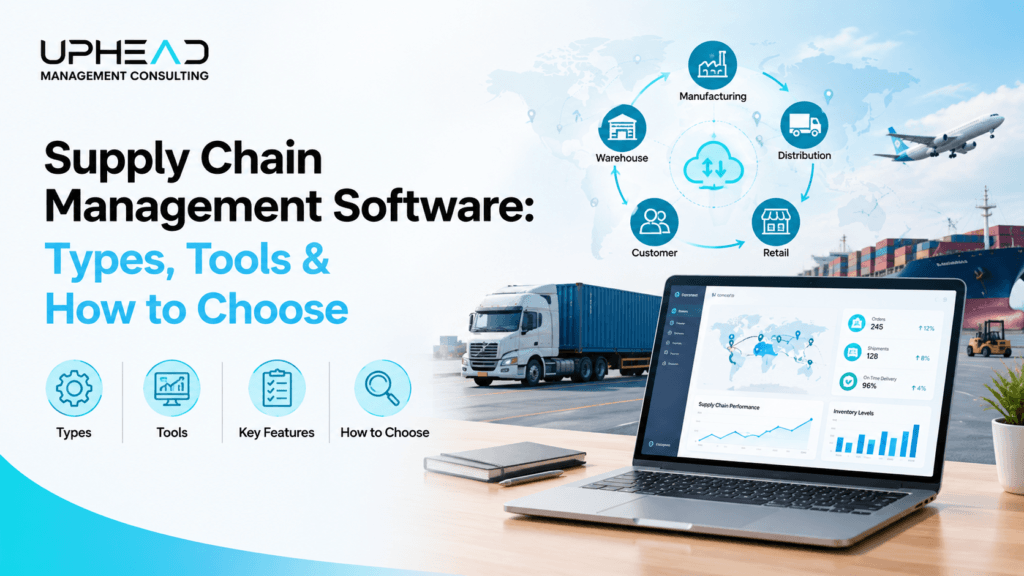
This is where Supply Chain Management software makes a difference. It connects data from different systems into one platform, giving teams access to real-time information from a single dashboard. Instead of chasing updates, businesses can respond faster and make better-informed decisions.
Features That Enable Real-Time Visibility
The right SCM software should provide more than shipment tracking. It should help businesses monitor the entire supply chain and respond quickly when disruptions occur.
- Centralized dashboards bring inventory, shipments, supplier performance, and order status into one place.
- Real-time alerts notify teams about delays, inventory shortages, or quality issues as soon as they occur.
- Multi-tier supplier visibility helps businesses monitor suppliers beyond the first tier and identify risks earlier.
- API and IoT integration connect ERP systems, GPS devices, warehouse scanners, and carrier platforms to provide continuous updates.
- Predictive analytics uses historical and live data to identify potential disruptions before they affect operations.
- Role-based dashboards ensure each team has access to the information they need to make faster decisions.
Why Integration Is Critical for Real-Time Visibility
Real-time visibility is only possible when data from suppliers, carriers, warehouses, and internal systems is connected. When information is scattered across different platforms, teams waste time collecting updates instead of responding to issues.
A well-integrated SCM software platform brings all this information together in a single dashboard, making it easier to monitor operations, identify risks, and make informed decisions without relying on multiple spreadsheets or disconnected systems.
Real-Time Visibility vs. Traditional Supply Chain Reporting
| Factor | Traditional Reporting | Real-Time Visibility |
|---|---|---|
| Data frequency | Daily, weekly, or monthly | Continuous, live updates |
| Disruption detection | After the fact, often via a customer complaint | As the event happens |
| Data sources | Manual entry, email updates, spreadsheets | IoT sensors, GPS, carrier APIs, integrated systems |
| Decision speed | Delayed by report cycles | Immediate |
| Supplier tiers covered | Usually, Tier 1 only | Can extend to Tier 2, Tier 3, and beyond |
| Cost impact | Higher (expedited freight, excess safety stock) | Lower (proactive routing and planning) |
| Customer communication | Reactive, often after delays are visible externally | Proactive, with accurate live ETAs |
Common Challenges in Achieving Supply Chain Visibility
Building real-time supply chain visibility isn’t always straightforward. Many businesses face a few common challenges before they can achieve complete visibility.
Data silos: Suppliers, carriers, and internal teams often use different systems that don’t share information.
Poor data quality: Inconsistent data formats can lead to errors and delays.
Limited supplier visibility: Many businesses can only monitor their direct suppliers, making it difficult to identify risks further up the supply chain.
Integration challenges: Connecting legacy systems with modern SCM tools can be complex.
Cost concerns: Smaller businesses may think real-time visibility is expensive, although many cloud-based SCM solutions are now affordable.
Understanding these challenges helps businesses plan a smoother implementation and get the most value from their supply chain visibility strategy.
Best Practices for Implementing Real-Time Visibility
Implementing real-time supply chain visibility is more than adopting new technology. Following these best practices can help ensure a smoother implementation and better results.
Start small: Focus on high-risk suppliers or critical shipping routes before expanding across the entire supply chain.
Standardize your data: Use consistent data formats to simplify integration between different systems and partners.
Set meaningful alerts: Configure notifications for critical events to avoid alert fatigue.
Work closely with suppliers: Visibility depends on timely and accurate data from every supply chain partner.
Create a response plan: Real-time insights are valuable only when teams know how to respond to disruptions.
Review regularly: Update your visibility strategy as your supplier network and business operations grow.
Industry Use Cases
Real-time supply chain visibility delivers value across different industries
Retail & E-commerce: Monitor inventory across multiple locations to prevent stockouts and overselling while improving delivery accuracy.
Manufacturing: Track raw materials in real time to avoid production delays caused by late deliveries.
Logistics & Freight: Monitor shipments continuously to optimize routes and improve delivery performance.
Food, Pharmaceutical & Cold Chain: Use temperature and condition monitoring to protect product quality and support regulatory compliance.
The Future of Supply Chain Visibility
Supply chain visibility is evolving beyond simple tracking. Modern Supply Chain Management (SCM) software is helping businesses not only monitor operations in real time but also predict potential disruptions before they happen.
With technologies like AI, predictive analytics, and multi-tier supplier visibility, businesses can identify risks earlier, evaluate alternative options, and make faster decisions. As these capabilities become more accessible, real-time supply chain visibility is quickly becoming a standard business requirement rather than a competitive advantage.
Companies that invest in connected, data-driven supply chains today will be better prepared to manage disruptions, improve efficiency, and stay competitive in the years ahead.
In Summary: Key Takeaways
- Supply chain visibility gives businesses a clear view of sourcing, production, inventory, and deliveries in real time.
- Real-time data helps teams identify issues early and make faster, more informed decisions.
- The right SCM software connects data from multiple systems into a single, centralized view.
- Common challenges include data silos, inconsistent data, and limited visibility beyond direct suppliers.
- Better visibility leads to lower costs, faster response to disruptions, and improved customer satisfaction.
- As supply chains become more complex, real-time visibility is becoming a business necessity rather than an optional investment.
Conclusion
Supply chain visibility is no longer just an added feature; it’s an essential part of building a resilient and efficient business. Companies with access to accurate, real-time information can respond faster to disruptions, improve operational efficiency, and deliver a better customer experience.
The right SCM software helps businesses connect data across the supply chain, making it easier to make informed decisions and adapt to changing business demands. As supply chains become more complex, investing in real-time visibility is a smart step toward long-term growth.
As a Digital Transformation Consulting company, Uphead Strategy helps businesses modernize their operations with practical technology solutions that improve visibility, streamline processes, and support sustainable growth. Whether you’re planning a digital transformation initiative or looking for the right SCM solution, our team can help you build a strategy that fits your business goals.
Frequently Asked Questions
What is the difference between supply chain visibility and supply chain transparency?
Supply Chain Visibility is the internal ability to see and track inventory, shipments, suppliers, and operations in real time. Supply chain transparency, on the other hand, is about sharing that information with customers, partners, or regulators.
Is real-time supply chain visibility only useful for large enterprises?
No. Cloud-based SCM software has made real-time visibility accessible to small and mid-sized businesses, not just global shippers with large IT budgets.
How does supply chain management software improve visibility?
SCM software connects data from suppliers, carriers, warehouses, and internal systems into a single platform. This gives businesses real-time insights, automated alerts, and dashboards that support faster decision-making.
What technologies enable real-time visibility?
GPS tracking, IoT sensors, telematics, carrier APIs, and cloud-based integration platforms are the main technical enablers of real-time visibility.
How long does it take to implement a real-time visibility solution?
Timelines vary by complexity, but most businesses see initial results within a few months by starting with high-risk lanes or key suppliers rather than attempting a full network rollout at once
Does real-time visibility work across all shipping modes?
Yes. Most modern platforms provide visibility across road, rail, ocean, and air freight, though data quality can vary depending on the carrier and mode.
What's the biggest barrier companies face when improving supply chain visibility?
Data silos and inconsistent formats between suppliers, carriers, and internal systems are consistently cited as the top implementation challenge.
Can real-time visibility reduce supply chain costs?
Yes. By enabling faster response to disruptions, it reduces reliance on expedited freight, excess safety stock, and manual reconciliation work.